Dr Nancy Muturi was a 2024 Fulbright Specialist at Politeknik Kesehatan Manokwari in West Papua, Indonesia, where she worked with nursing and midwifery programs.
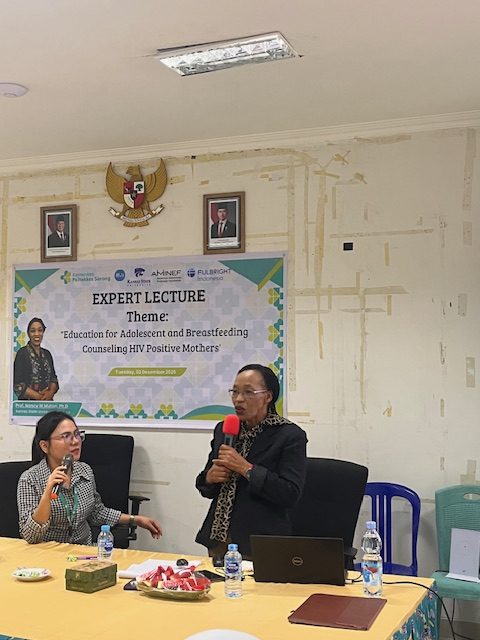
Dr Nancy Muturi, a professor at Kansas State University’s A.Q. Miller School of Media and Communication and the School of Nursing at Politeknik Kesehatan Manokwari, West Papua, Indonesia, recently completed a Fulbright Specialist project in Indonesia.
The project focused on training and capacity building for healthcare workers in communication skills. Activities were carried out from November 17 to December 5, 2025. The visit was facilitated by two of her former graduate students and Kansas State University alumni, Dr Noviyanti Noviyanti (master’s degree in public health, 2018) and Mutiara Kusuma (doctorate in human nutrition, 2017), both Fulbright alumni who are currently teaching at Indonesian universities.
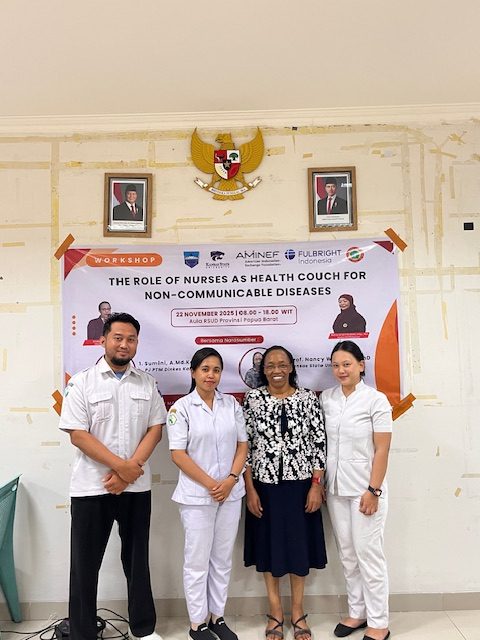
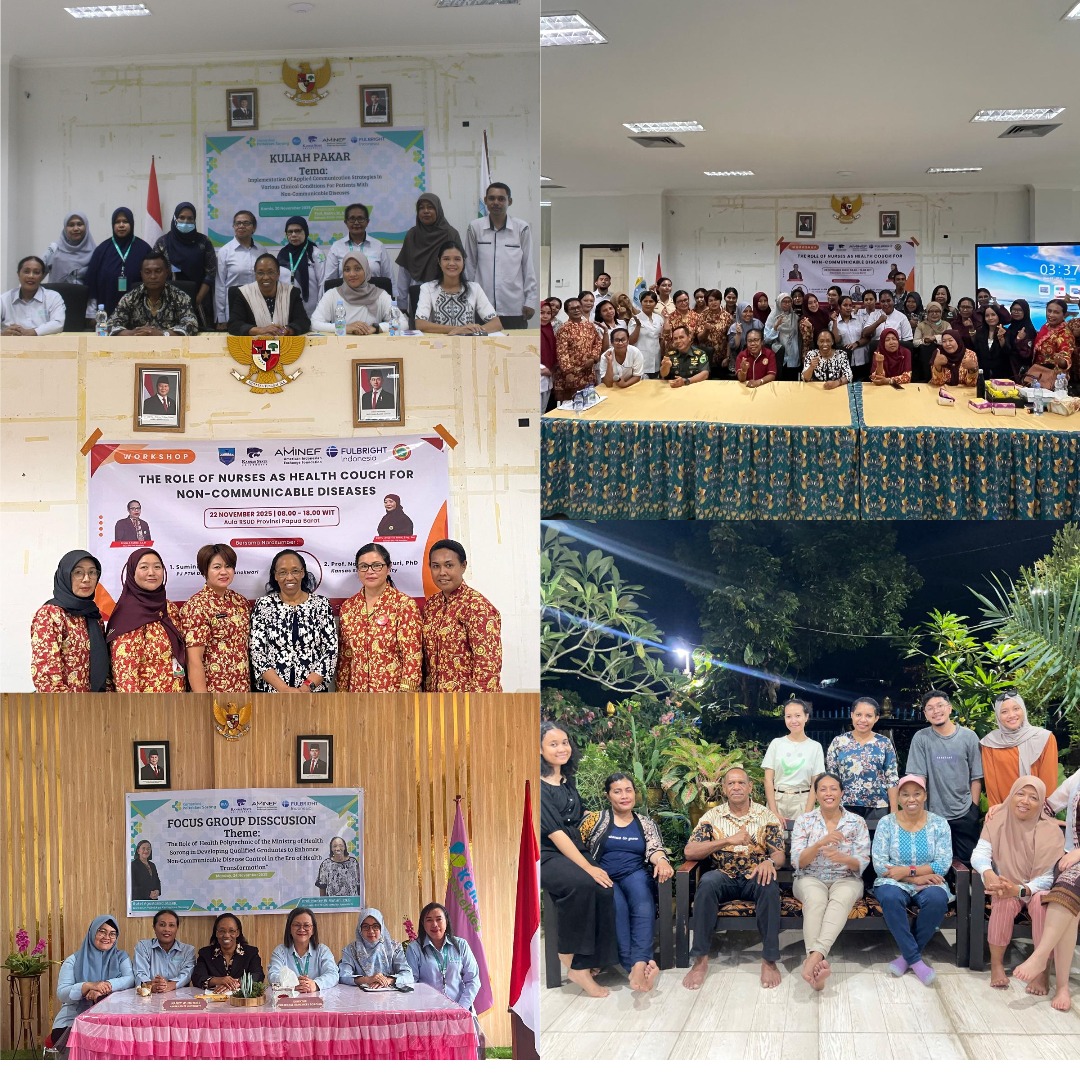
The program featured training sessions for nursing and midwifery students, as well as members of the Indonesian National Nurses Association (PPNI). Participants explored patient–provider communication in both hospital and community settings, strategies for engaging with diverse patient populations, and culturally relevant approaches to disease prevention and medical adherence.
“Nurses play a critical role as health coaches who empower patients to adopt healthier behaviors. Sustained noncommunicable disease management depends on trust, motivation, and continuous engagement between nurses and the communities they serve,” Dr Muturi said during one of her sessions.
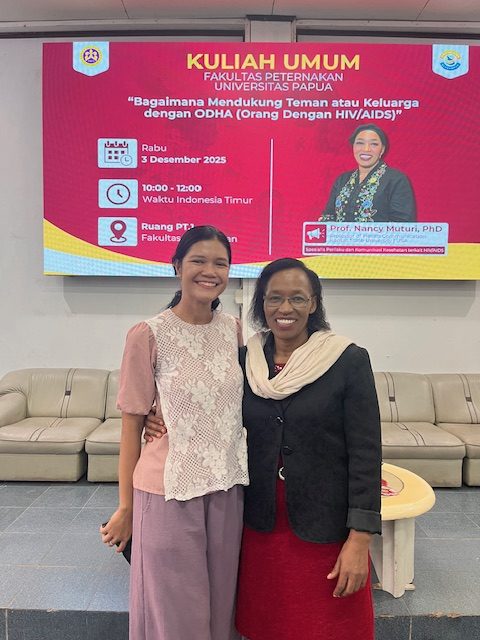
Dr Muturi also delivered public lectures at local and nonprofit institutions, including the University of Papua, where she emphasized the importance of communication skills as part of clinical competence.
“Effective clinical communication must be empathetic, patient-centered, and adaptable to diverse health conditions. Future nurses and midwives need strong communication skills alongside clinical competence to support long-term care for patients living with chronic diseases,” she noted.
She also led community-based workshops with local nonprofit organizations on a range of health-related topics, including communication in reproductive health for women and girls, strengthening maternal and child health, and understanding health disparities in rural and remote populations. In addition, she served as a panelist in a global health workshop on maternal and child health organized by the Ministry of Health, which brought together more than 400 participants, primarily from Asia and the Global South.
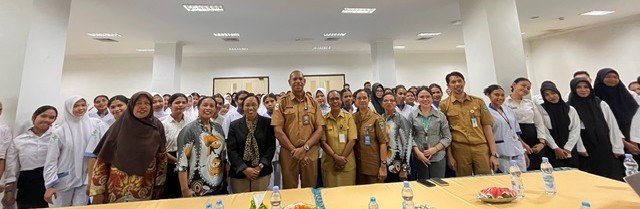
As part of ongoing collaboration, Dr Muturi facilitated capacity-building workshops for researchers on scientific writing and journal publication. These sessions aimed to strengthen participants’ understanding of the international publication process, including manuscript review and discussions on potential collaborative research.
“She encouraged lecturers to actively publish their research and share local evidence through international journals, as this is a powerful way to amplify voices from underserved regions and strengthen institutional academic capacity,” one participant shared.
Through these activities, both the specialist and the host institution noted that the Fulbright Specialist Program contributes to strengthening professional competencies, institutional development, and sustained partnerships. The experience also supported greater adaptability, mutual respect, and continued engagement among participants.
Dr Muturi also joined a focus group discussion with the Director of Poltekkes Kemenkes Sorong to explore the institution’s role in national health transformation. She underscored the importance of aligning academic curricula with national priorities.
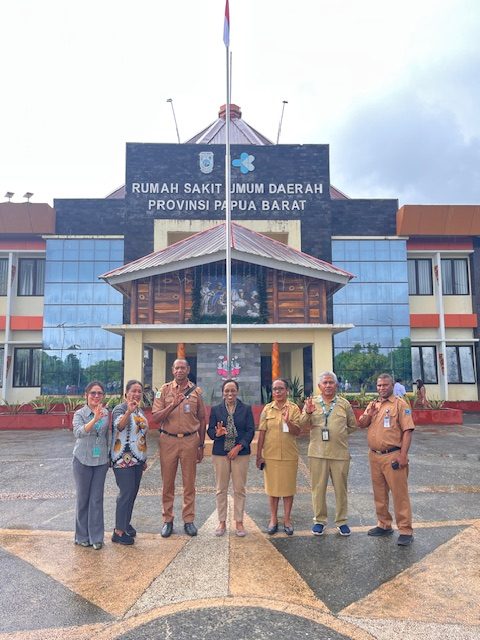
“Educational institutions must prepare graduates not only with technical skills, but also with leadership and communication competencies relevant to real service delivery challenges,” she said.
In addition to her professional engagements, Dr Muturi participated in a range of community and cultural activities as part of her cultural immersion.
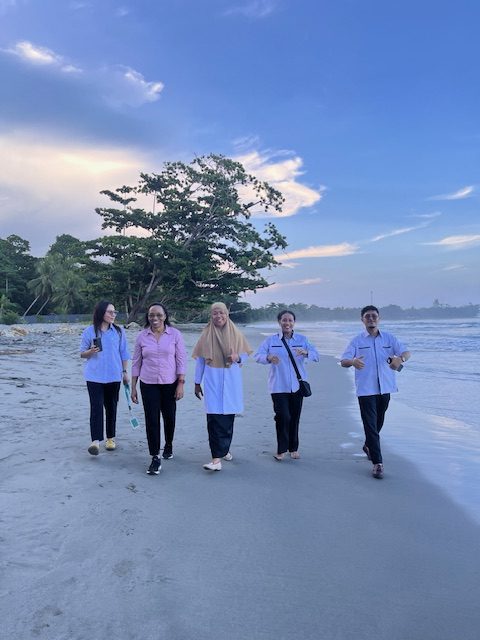
“Although I went there as a specialist to teach and train, I learned a great deal about Indonesian—particularly West Papuan—communities, culture, and daily life. I came with an open mind and gained far more than I offered. This experience is something I will share with my friends, family, and students for years to come,” she reflected.
Last Updated: Jul 17, 2026 @ 10:51 am